


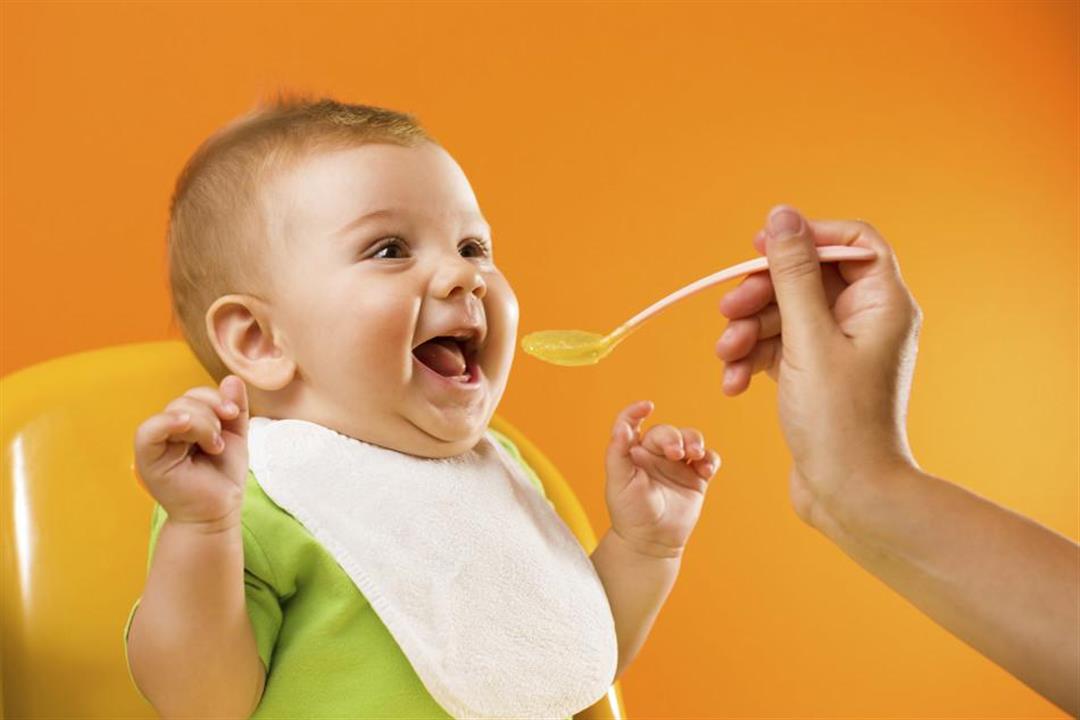
When Should I Start Solids for Infants? Signs That Help Mothers
Introducing solid foods to infants is one of the most important developmental and growth stages a child goes through. During this phase, the baby becomes familiar with food and gradually begins the weaning process, moving away from breastfeeding—whether natural or formula feeding. At this stage, the infant needs healthy nutrition that supports natural development, along with a conscious mother who can recognize the right time to start introducing complementary foods in a proper way, in suitable quantities, and by carefully selecting foods appropriate for this crucial age. Through the following lines with Benaat, we provide every mother with a comprehensive guide to help her properly nourish her infant.
What Is the Ideal Time to Start Introducing Solid Foods to Infants?
Introducing solid foods into an infant’s diet usually begins between the fourth and sixth month of the child’s age, according to the recommendations of pediatricians and the American Academy of Pediatrics. It is important to note that introducing solid foods too early—before the fourth month—can cause several problems for the infant, including food allergies and an increased risk of obesity. At the same time, delaying the introduction of solid foods is not recommended, as it may lead to problems with the child’s eating habits later on, in addition to difficulties in learning proper feeding skills such as chewing, holding food, and swallowing.
Signs That Indicate a Baby Is Ready for Solid Foods
Studies indicate that introducing solid foods to infants is associated with the appearance of certain signs that mothers can observe, which signal that the baby is ready for this step, including:
The baby’s ability to sit with proper head support.
Showing interest and curiosity toward the foods adults are eating and attempting to explore them.
The baby does not push food out of the mouth with the tongue and accepts solid food more easily.
The ability to grasp and hold objects.
Tips for a Smooth Transition from Milk Feeding to Solid Foods
A mother can introduce solid foods to her infant smoothly and without difficulty by following these tips:
Choose the right time for this step after noticing the readiness signs mentioned above.
Ensure the baby is in good health and not suffering from illness or fatigue.
Use a dedicated baby feeding chair to ensure proper sitting posture.
Stay calm, patient, and smiling while feeding the baby, without tension or haste.
Do not feel upset if the baby spits out food or creates a mess around them.
Select foods suitable for this stage and avoid prohibited items such as salty foods, honey, and sugar-sweetened foods.
Start by offering mashed vegetables first, then introduce fruits such as bananas, apples, and pumpkin.
Avoid starting with acidic fruits or allergy-triggering foods such as mango and strawberries.
Introduce only one type of food at a time; do not mix multiple foods during the first introduction.
Monitor the baby closely when introducing a new food for any reactions such as breathing difficulties or skin rashes.
Begin with small quantities and gradually increase the amount.
Feed the baby using a spoon specifically designed for infants.
Never force the baby to eat; stop feeding if the baby refuses food or vomits.
Before offering solid foods, breastfeed or bottle-feed a small amount of milk to help the baby relax and accept food.
Mashed foods can be mixed with a small amount of breast milk to make swallowing easier.
When Should Introducing Solid Foods Be Postponed?
Introducing solid foods to infants requires careful attention. A mother may decide to postpone this step slightly in the following cases:
If the baby is ill or going through teething, which may cause discomfort and fatigue.
If the baby is unable to sit properly.
If the infant suffers from digestive problems that prevent proper digestion of solid foods.
If the baby has issues that affect the ability to chew or swallow.
If the infant has food allergies.
If the baby is ill or going through teething, which may cause discomfort and fatigue.
If the baby is unable to sit properly.
If the infant suffers from digestive problems that prevent proper digestion of solid foods.
If the baby has issues that affect the ability to chew or swallow.
If the infant has food allergies.
Benaat Supports You During the Solid Food Introduction Stage
If you would like to learn the correct timing for introducing solid foods to infants and want to create a 6-month-old baby feeding schedule to care for your child and support healthy growth, there is no better choice than the Benaat platform, which offers easy registration and seamless access to lessons and courses. You can join the Infant Nutritional Foundation Course, presented by Dr. Sara El-Meligy, an international consultant in breastfeeding medicine, where you will learn essential principles of infant nutrition. Through this course, you will gain extensive knowledge about nourishing your baby—from natural breastfeeding for newborns to the weaning stage—along with a complete 6-month-old baby feeding schedule.
Share:
Leave a Reply


.png)