


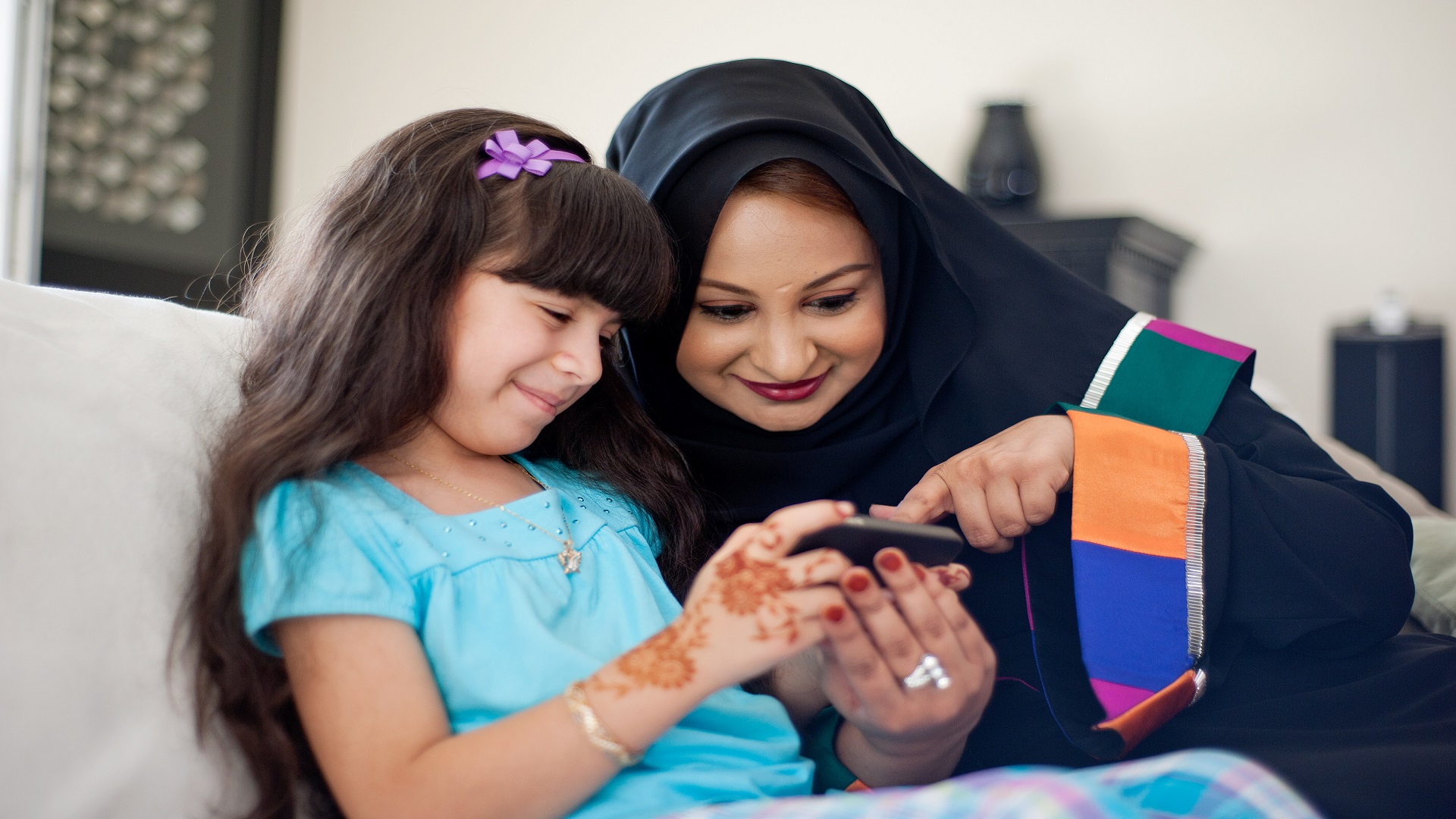
Effective Steps for Mothers to Improve Communication with Children in Early Stages
Effective Steps for Mothers to Improve Communication with Children in the Early Stages
Communication with children—whether through actions or words—is one of the most important ways to strengthen bonds and relationships with your child. Children especially need communication with the world around them during their early years to learn speech and other communication skills. If you would like to learn more about communication skills with your young child and how you can develop them to strengthen your relationship from early childhood, follow the lines below with Benaat.
Why Is Effective Communication Important in Early Childhood?
This stage is extremely important in a child’s life, as they acquire skills that support them throughout all stages of their future life. Effective communication also supports the processes of learning and growth.
Therefore, it is essential to begin communicating with the child and developing their emotional, social, and verbal skills early on, for the following reasons:
- Raising a child with a strong personality who is able to adapt to society and achieve success in life.
- Encouraging the child to clearly express their feelings and emotions.
- Communication gives the child the opportunity to develop reading, writing, and speaking skills.
- Stimulating memory and helping store information and memories.
- Developing the child’s ability to think critically and make decisions.
Practical Tools to Improve Communication with Children
Communicating with children requires a set of tools that help mothers achieve effective and strong communication with their child, including the following:
Listening to the child with awareness, focus, and genuine interest so they feel confident and valued by the person listening to them.
Expressing acceptance of the child’s words and giving encouraging signals that motivate them to continue speaking, such as nodding and smiling.
Making eye contact with the child and bending down to reach their eye level, which strengthens communication and makes the child feel safe and emotionally supported.
Using short verbal cues that indicate attentive listening and encourage the child to continue talking.
Using clear language that suits the child’s age when speaking with them.
Avoiding inappropriate words and ensuring respect for the child so they feel loved and appreciated.
Spending enjoyable time with the child through activities they love, helping them feel close to you and strengthening communication.
Developing the child’s emotional intelligence by teaching them how to express feelings such as happiness, anger, and sadness in appropriate ways.
Encouraging and praising the child when they display positive behaviors, as this increases their self-confidence and reinforces positive behavior.
The child needs a positive role model in their life—especially the parents—as children tend to imitate the behavior of adults around them.
The child can be rewarded and encouraged to continue positive behavior, but without exaggeration.
When disciplining a child, it is important to focus only on the negative behavior and avoid criticizing their self-worth or personality, so they do not lose confidence in themselves.
Avoid These Mistakes When Talking to Your Child
When communicating with children, some mistakes may occur that can be avoided once recognized, including the following:
Using incorrect or unrealistic words when speaking to the child for simplification purposes, commonly known as “baby talk,” as this may cause speech delay later.
Insisting or shouting at the child if they do not repeat certain words after the mother, which makes the child feel angry and reluctant to communicate.
Forcing the child to perform certain actions, such as raising their hand to greet relatives, which causes frustration and may lead to refusal and crying.
Speaking too quickly to the child reduces their ability to focus and pay attention, so communication should be calm and appropriate for the child’s age.
Giving too many or complex commands confuses the child; therefore, it is better to give one clear request at a time.
Relying on social media and television to educate the child before the age of two, as this causes attention problems and hyperactivity.
How Can You Create a Supportive Environment for Dialogue and Trust with Your Child?
Healthy and effective communication with children helps develop their abilities and skills, making the parenting journey fruitful and enjoyable—especially when mothers rely on specialists and seek professional guidance.
For this reason, it is recommended to subscribe to Benaat Academy and benefit from the many courses available that support mothers in successful parenting. You can also join the Parenting Rules Course presented by Dr. “Solafa Salim,” a certified parenting coach. The course includes many practical tips and valuable insights that give you a golden opportunity to build constructive communication with your child.
Share:
Leave a Reply


.png)